
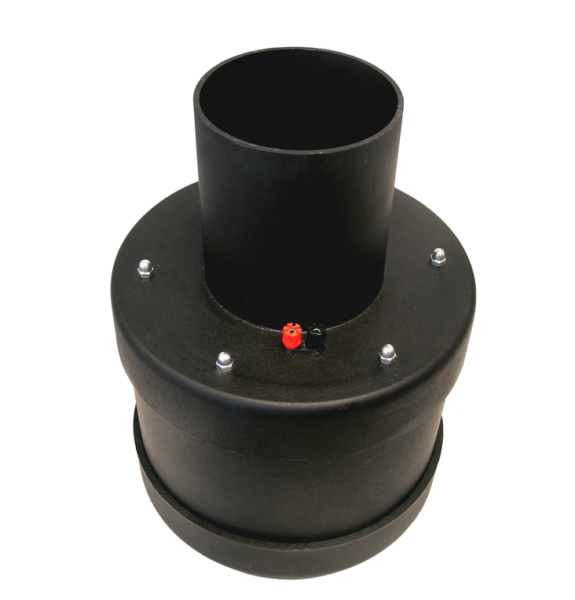









High Impact and Pyroshock Application
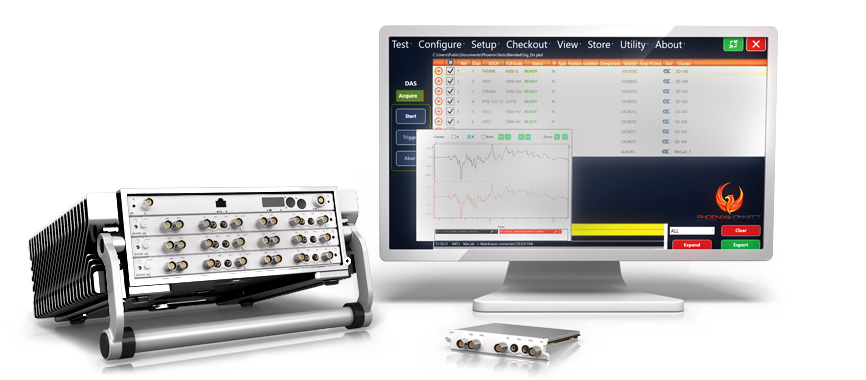
One system | No compromises.
Tackle High Impact Test Application with no Worries at Ease.
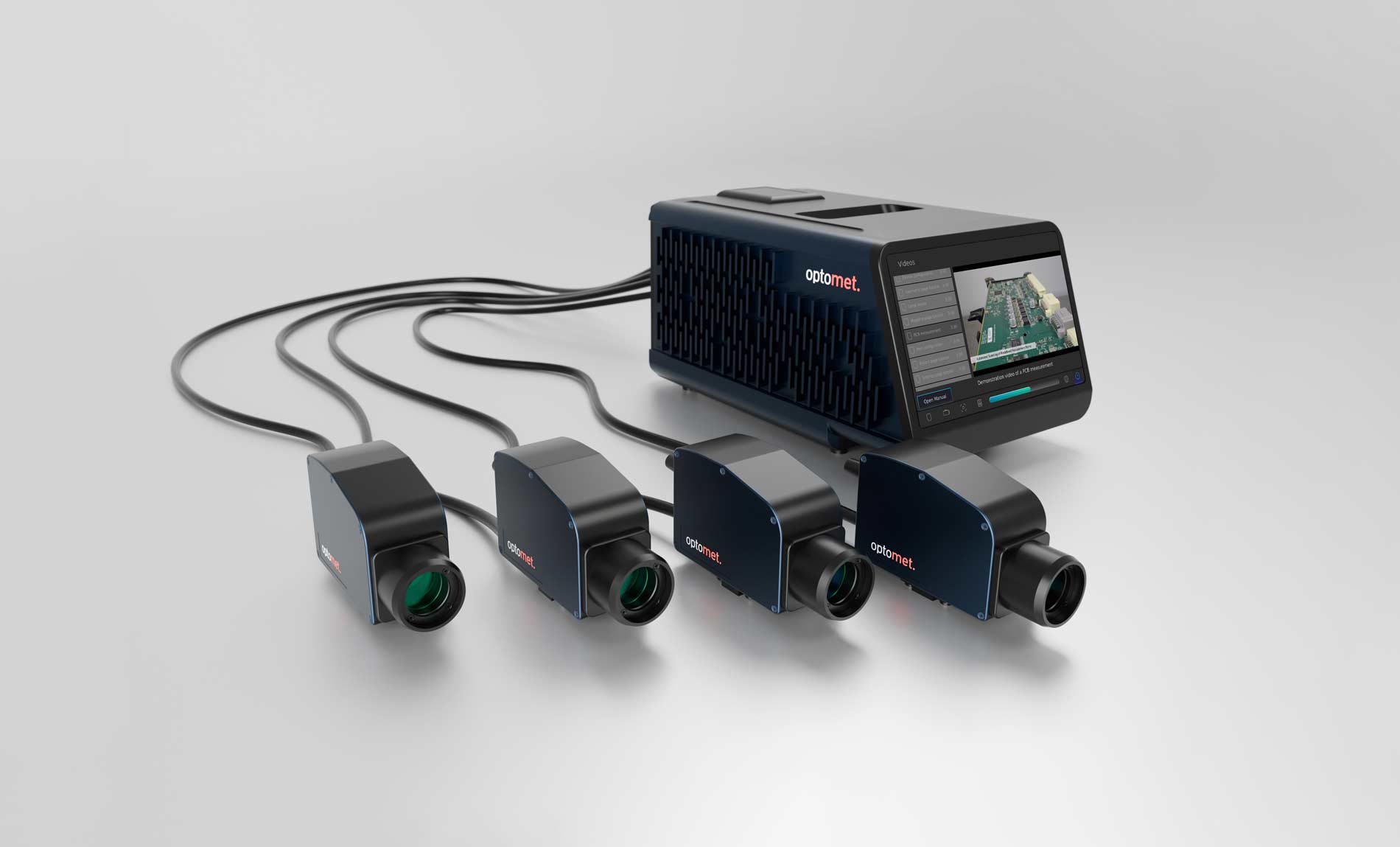
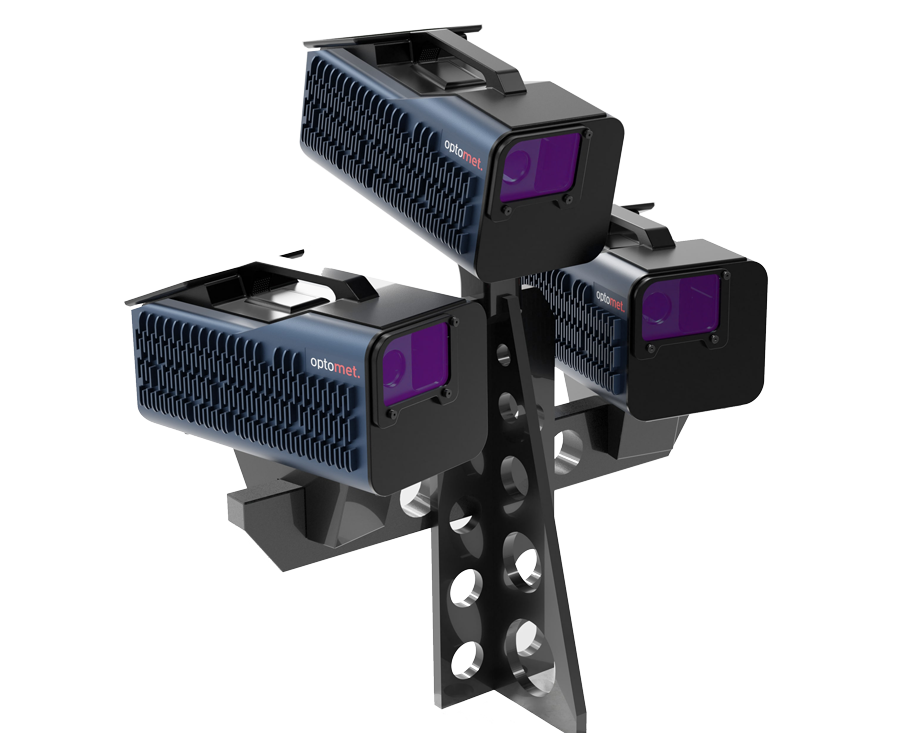
Pyroshock and mechanical shock events last milliseconds and destroy conventional measurement chains. MEQ delivers the complete system built from the ground up for this exact challenge.
Computer Methods develops and operates PhoenixKonnect, a powerful platform for data acquisition, control, and analysis, specifically designed for demanding shock and vibration testing in the aerospace and automotive industries.
PhoenixKonnect enables precise, synchronized acquisition of highly dynamic signals, ensuring reliable capture of critical test events.
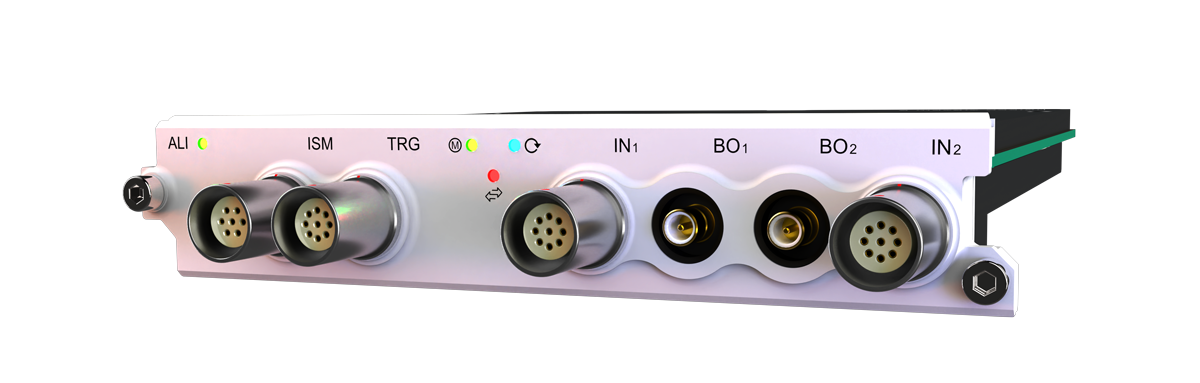
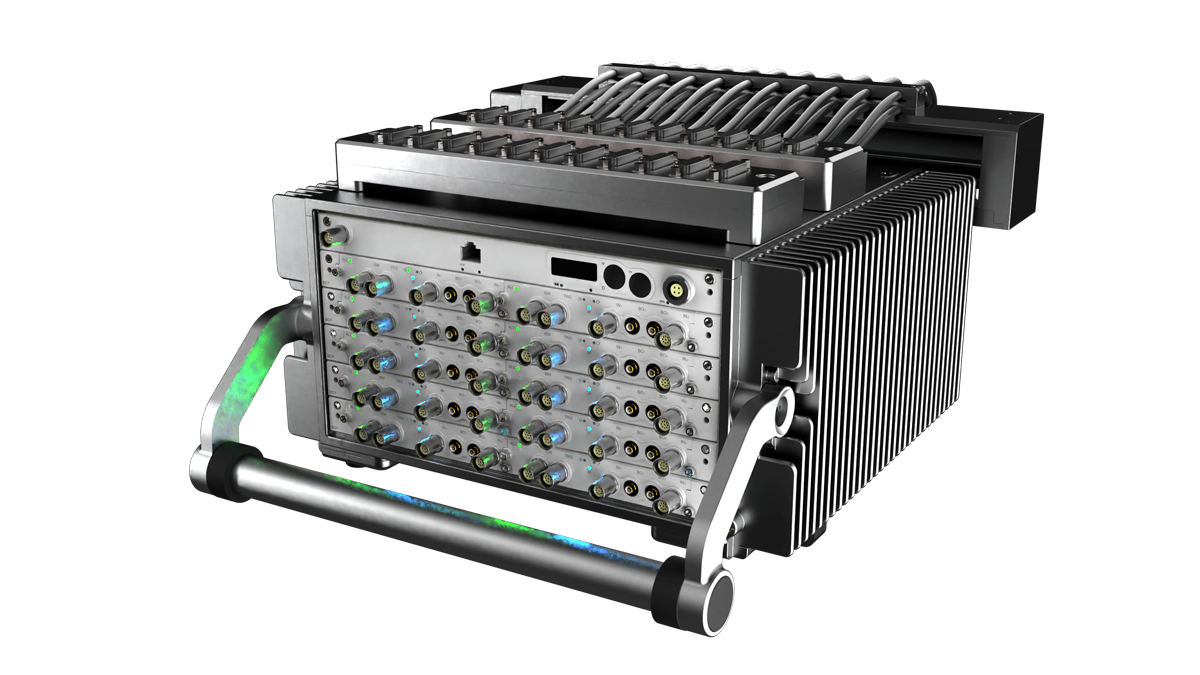
The software integrates seamlessly with the Mecalc ALI25 data acquisition module, which features a sampling rate of 5 MSa/s at 24-bit resolution, an exceptionally flat frequency response up to 2 MHz, and a high slew rate for accurate recording of fast transient events.
In addition to data acquisition, PhoenixKonnect offers extensive post-processing capabilities. Custom Python scripts can be integrated directly into the workflow, while acquired data remains fully compatible with MATLAB-based analysis tools such as Kornucopia, which is specifically designed for evaluating noisy physical test data.
Existing high-speed systems, including the SD VX2824x and SD VX2805x, can continue to be utilized and integrated into modern test environments, protecting previous investments while extending system capabilities.
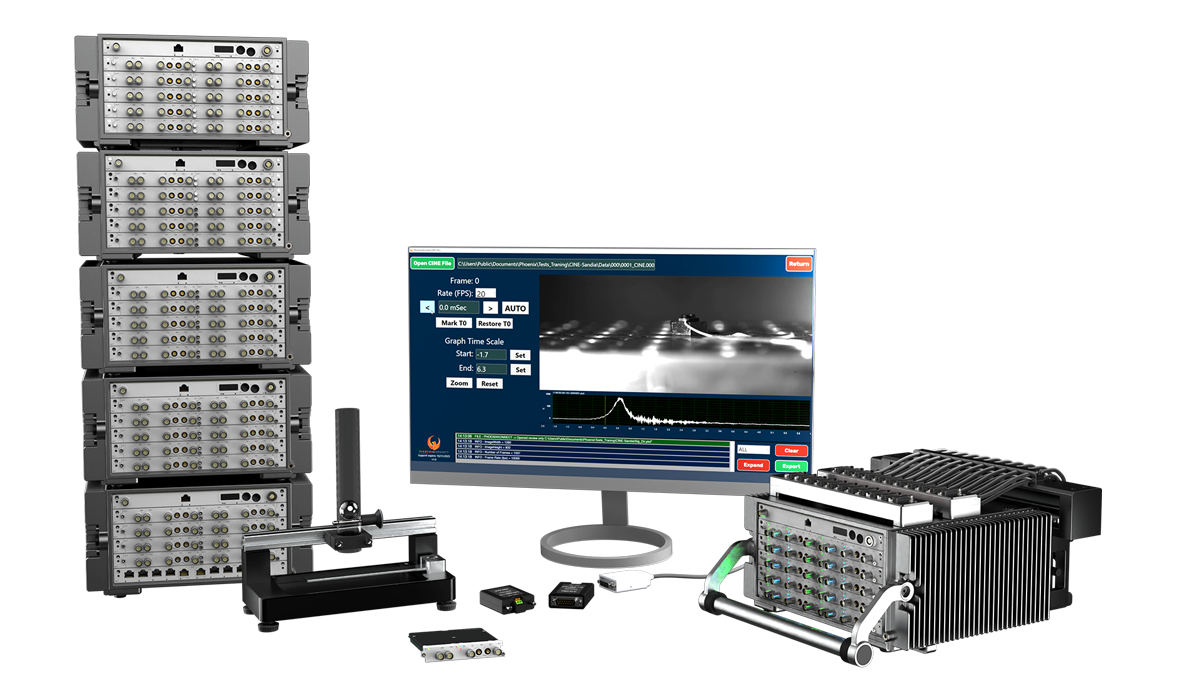
Through every layer of integration we focus on the one problem




5M Sa/s
24-bit
- data acquisition module optimized for shock testing | ALI25 by Mecalc
- PhoenixKonnect offers advanced post-processing capabilities, including support for custom Python scripts and integration with Kornucopia
- MATLAB-based tool for analyzing noisy physical test data
2 MHz
24-bit
- flat bandwidth response over 2 MHz, slew rates exceeding 50 V/µs,
- built-in signal conditioning for bridge-type transducers
- compatible with long-standing industry hardware such as the SD VX2824x and VX2805x, extending the life of existing high-speed transient capture systems
Why conventional DAQ fails at the moment of impact
Pyroshock events — explosive bolt separation, stage deployment, ordnance firing — create near-instantaneous force spikes with frequency content that reaches well beyond 100 kHz. Most test systems were not designed for this. The result is corrupted data you cannot trust, or data you never capture at all.
DC bias and zero shift
IEPE sensors contaminate signals with low-frequency drift. Velocity and displacement traces become physically implausible after integration.
Insufficient bandwidth
A standard 204.8 kSa/s system aliases pyroshock energy. You need at least 1 MHz flat response to capture the full event.
No anti-alias protection
No anti-alias protection
Without 100 dB+ attenuation at the ADC clock frequency, energy above the Nyquist folds back and destroys the measurement.
Lost pre-trigger data
Without deep on-board memory, the critical microseconds before the trigger event are gone before the system can react.
What 24-bit at 5 MSa/s actually means for your test
When the data seems bad, the analysis has to save it.

4 important aspects to consider
IEPE sensors show unrecoverable low-frequency drift.
Raw IEPE data produced velocity traces that ramped continuously upward and displacement values that grew to physically impossible scales — a clear sign of DC bias contamination in the sensor output.
PR sensors produce stable, integrable acceleration data.
The PCB/Endevco PR sensors (PR_7270A, PR_727) delivered acceleration traces that remained stable and retained recognisable beam motion characteristics even before post-processing.
The Kornucopia VelDisp salvage algorithm recovers what remains.
The combined HP-velocity-then-displacement approach produced closely matched velocity and displacement responses across all three sensors after processing, with oscillations that were stable and physically plausible.
PVSS alignment confirms signal integrity.
After VelDisp processing, Pseudo Velocity Shock Spectrum curves aligned closely across all sensors — dramatically improving low-frequency agreement and confirming that the complete MEQ system delivers credible, defensible shock data.
Why piezoresistive — and why it matters
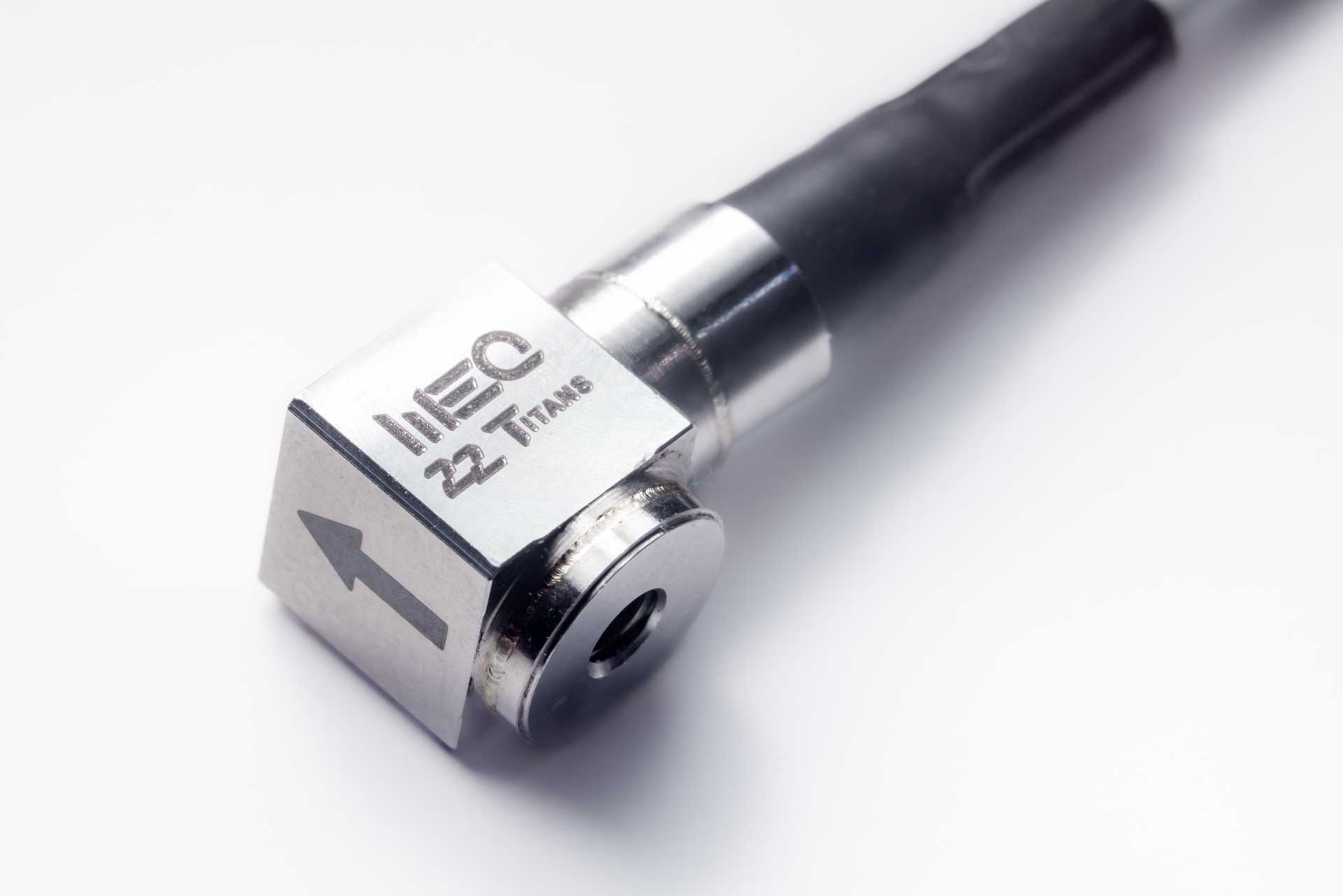
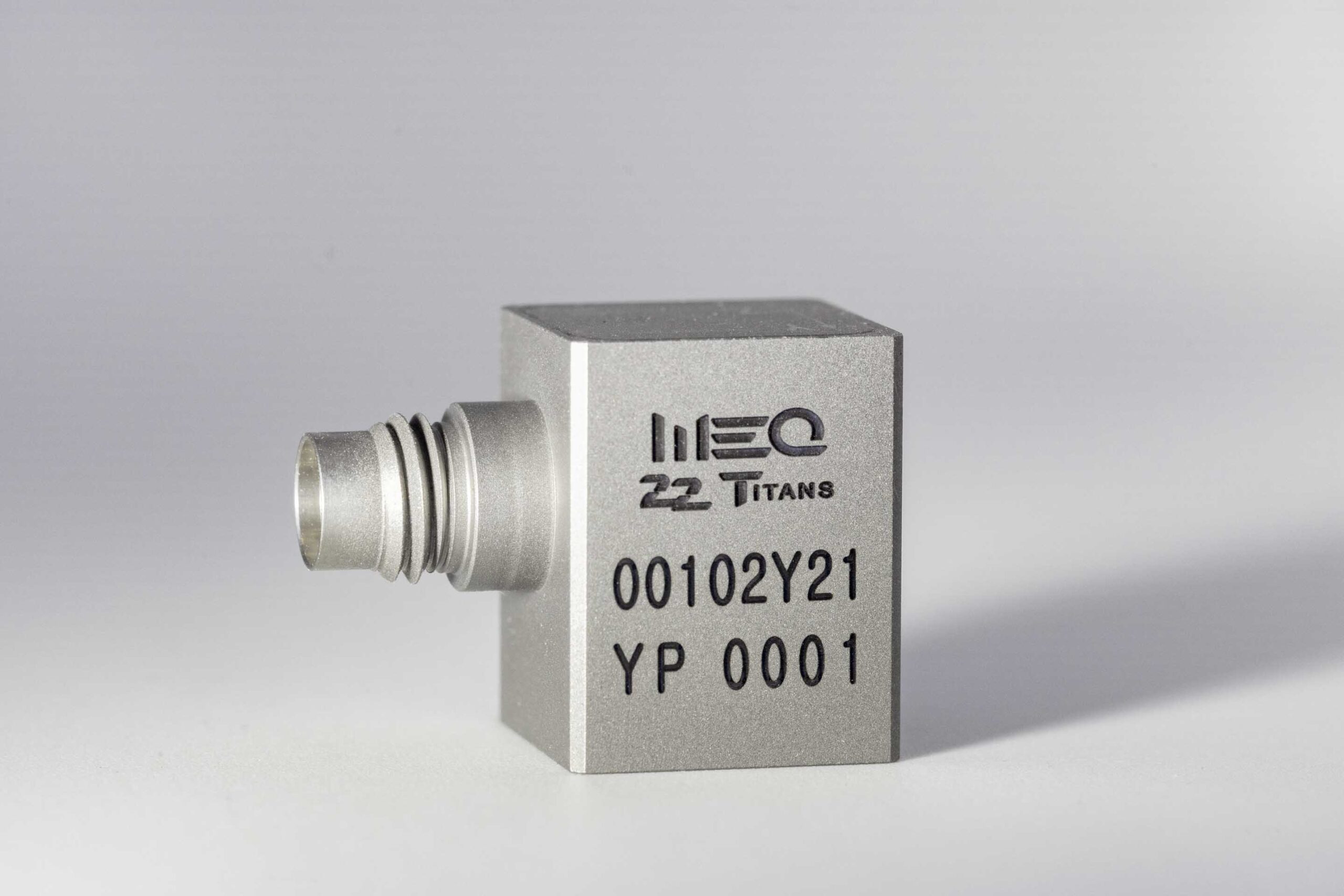
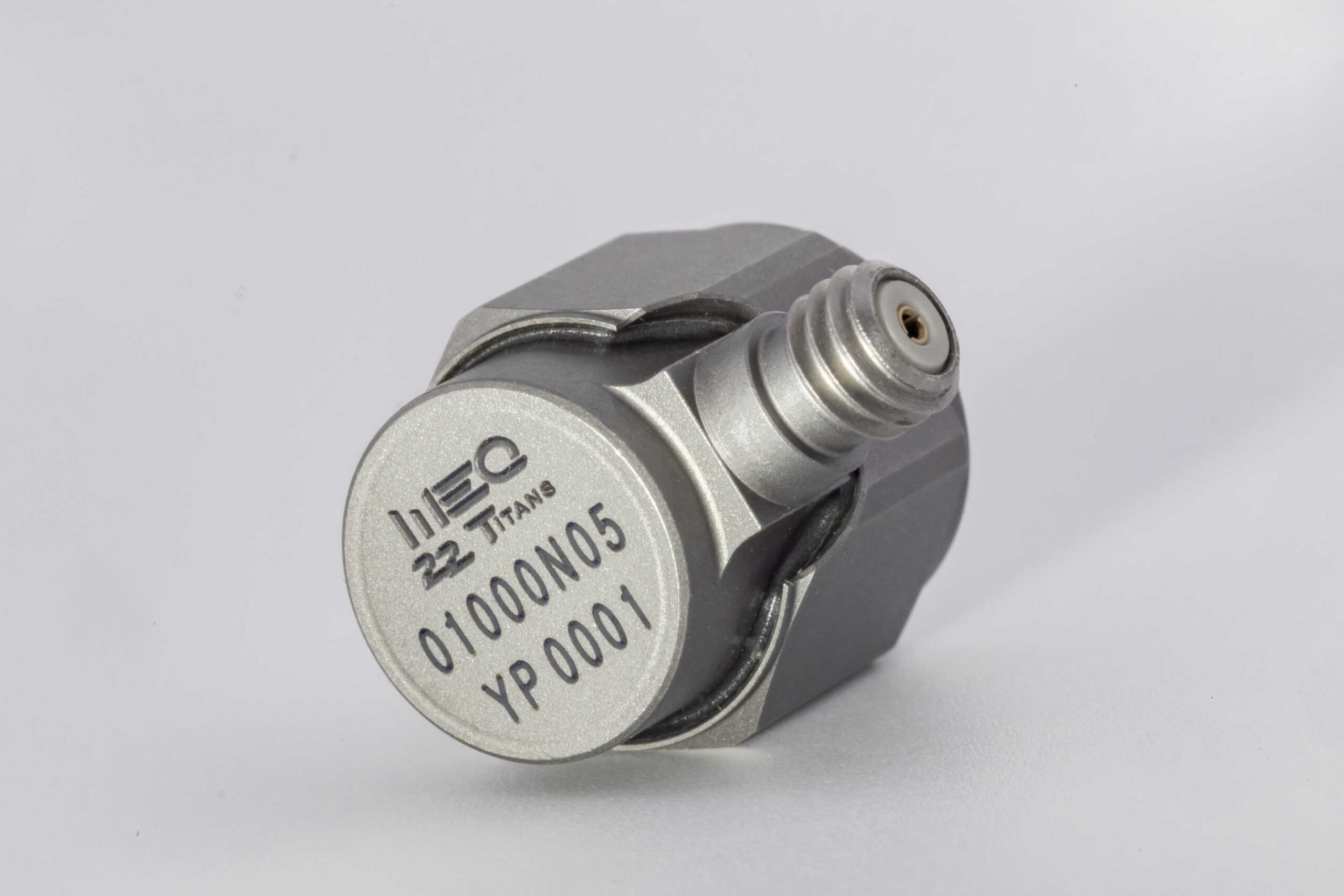
PCB / Endevco super-light PR sensors
Bridge-based, DC-coupled output with no charge amplifier and no low-frequency bias. Extremely low mass minimises mass-loading effects on the test structure. Directly compatible with the ALI25's 4-wire bridge conditioning — excitation, sensing, and signal conditioning are all handled in hardware, not patched in software.
The cost of the wrong sensor
IEPE accelerometers are excellent for vibration work but inherently limited in shock. Their coupling capacitor blocks DC, corrupting the baseline before the event even starts. Integration to velocity and displacement produces drift that cannot be corrected with confidence — only salvaged probabilistically. The ALI25 supports ICP/IEPE inputs, but for pyroshock, PR is the only defensible choice.